Skeleton Owl: A Charming, Versatile Embroidery Design for Personalized Gifts
First Impressions: Whimsy Meets Craftsmanship
As an embroidery designer who’s tested hundreds of digital embroidery files for gift shops and Etsy sellers, I was immediately drawn to Skeleton Owl—not for spooky shock value, but for its unexpected warmth. This isn’t a macabre motif; it’s a playful, artful interpretation of avian anatomy, rendered with delicate line work and balanced negative space. The design feels handmade, modern, and quietly elegant—ideal for customers seeking personality without cliché. It lands somewhere between vintage curiosity cabinet and contemporary nursery charm. Sweet? Yes—but with wit. Seasonal? Not tied to Halloween alone. Classic? Absolutely, especially when stitched in neutral thread colors like oatmeal, charcoal, or soft sage.
Where Skeleton Owl Truly Shines
Baby embroidery is where this design surprises most. Stitched on a 100% cotton receiving blanket or organic muslin swaddle, Skeleton Owl reads as gentle, intelligent, and comforting—not eerie. Its clean silhouette holds up beautifully at 3–4 inches tall, making it perfect for onesies, burp cloths, or milestone banners. For wedding gifts, think linen pillow covers for the couple’s reading nook, embroidered tea towels for their first kitchen, or a minimalist tote bag for the bridal party. It carries quiet sophistication—ideal for non-traditional couples who appreciate subtle storytelling.
Small shop owners will love how Skeleton Owl elevates everyday items into handmade products with emotional resonance. A kitchen towel becomes a conversation starter. A canvas tote transforms into a signature brand item. For craft fairs and Etsy listings, this design photographs exceptionally well—its contrast and clarity translate beautifully in natural light, boosting buyer engagement and perceived value. Customers instinctively trust a piece that looks intentionally designed, not mass-produced—and Skeleton Owl delivers that handmade quality every time.
Smart Pairings Across Your Product Line
- Nursery decor: Pillow covers, wall hangings, and crib bumper alternatives—especially when paired with botanical accents or minimalist typography.
- Personalized towels: Works best on medium-weight cotton or linen-look terry (not ultra-plush). Avoid dense loop piles where detail gets lost.
- Aprons & totes: Ideal for front-panel placement. Its centered composition anchors the design without overwhelming.
- Blanket embroidery: Excellent for corner or border accents on knit or woven throws—adds meaning without bulk.
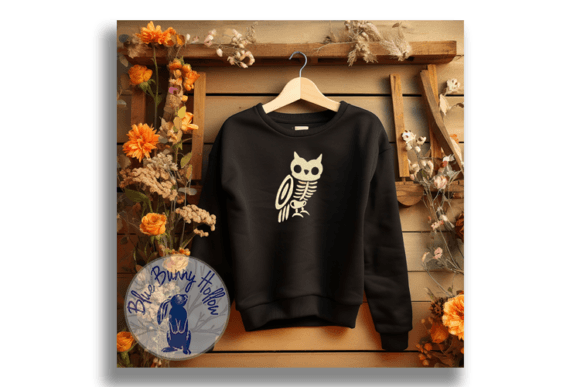
- Custom order previews: Include a printable mockup showing Skeleton Owl on three fabric types (light, dark, textured) to help clients visualize before stitching.
Where to Use Skeleton Owl Thoughtfully
This design thrives on intention—not improvisation. Avoid placing it on stretchy baby clothes without proper cutaway stabilizer and reduced stitch density; the skeletal lines can distort under tension. On curved surfaces like mugs or rounded pillow forms, test placement first—the owl’s symmetry benefits from flat, stable real estate. Dark fabric demands high-contrast thread (e.g., ivory or pale gold), while textured fabric like burlap or heavy linen may soften fine details unless you adjust underlay stitches.
Also, skip using Skeleton Owl for small lettering or tiny monograms—it’s a standalone statement, not a supporting element. And while it’s lovely on thick towels, avoid stitching it over seams or hems where hoop clearance is tight. Always confirm your machine’s hoop size matches the file’s largest dimension—no one wants to resize mid-project and lose proportion.
What This Design Says About Your Brand
Offering Skeleton Owl signals thoughtful curation. It tells customers you understand nuance—that “personalized gift” means more than just adding a name. It builds customer trust because it’s distinctive yet accessible, artistic but wearable. When buyers receive a pillow cover or blanket with this design, they feel seen—not just gifted. That emotional connection directly impacts repeat orders and word-of-mouth referrals, especially among Etsy sellers and small shop owners building loyal followings.
Essential Embroidery Notes Before You Stitch
- Always test on scrap fabric—especially if switching between cotton, linen, or blends.
- Check thread color contrast on both light and dark backgrounds. A single shade shift changes the entire mood.
- Review stitch density: Overly dense fills can cause puckering on lightweight fabrics. Lighten fill stitches if needed.
- Use the right stabilizer: Tear-away for stable wovens, cut-away for knits or stretchy items, and water-soluble for delicate surfaces like velvet.
- Compare mockups side-by-side—light vs. dark fabric—to guide customer expectations and photography choices.
- After stitching, inspect small details closely: eye sockets, wing feather lines, and beak definition should remain crisp.
- Confirm commercial licensing before selling finished products. As a Birds category embroidery file, verify usage rights align with your business model—whether you’re a wedding gift designer, baby product creator, or digital embroidery file seller.
Final Thoughts for Makers and Sellers
Skeleton Owl isn’t just another machine embroidery design—it’s a versatile storytelling tool. Whether you're hand-stitching samples for a boutique launch or prepping digital embroidery files for your Etsy store, this piece bridges aesthetic appeal with practical performance. It invites customization without demanding complexity, adds depth to simple items, and resonates across life stages—from baby announcements to anniversary keepsakes. For embroidery makers who value both beauty and buildability, Skeleton Owl earns its place in the rotation. Just remember: let its charm speak through careful execution, smart fabric pairings, and genuine attention to your customer’s story. That’s where true personalization begins.